
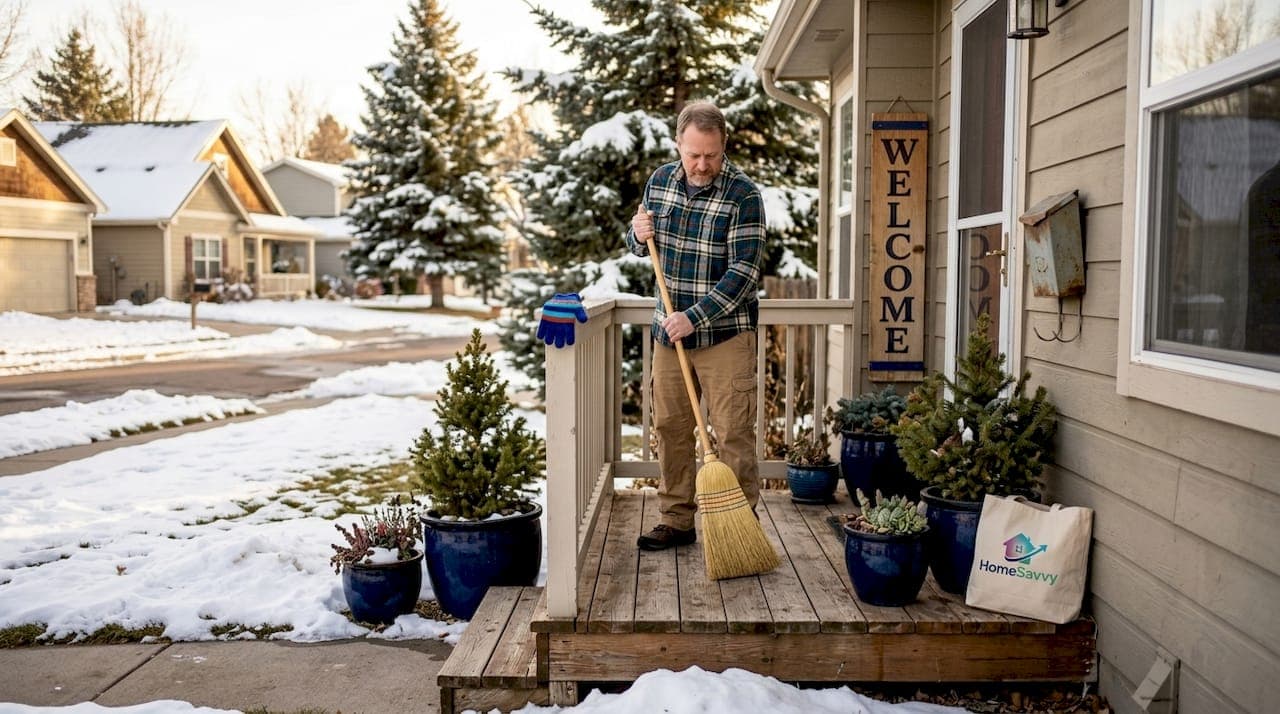
Staging your home for sale is one of the highest-return moves you can make as a Colorado seller. Yet most sellers either skip it entirely or do it wrong. The Colorado market moves fast in strong seasons and slows sharply when inventory climbs, meaning your home needs to stand out the moment it hits the MLS. 83% of buyers' agents say staging helps buyers picture themselves living in a home. That mental connection is what drives offers. This guide walks you through every step: preparation, room-by-room execution, DIY versus professional options, and final listing prep.
Table of Contents
- Key takeaways
- How to stage your home for sale: what to do first
- Room-by-room staging execution for Colorado sellers
- DIY staging versus hiring a professional
- Final verification before listing and showings
- My honest take on staging in Colorado's market
- How Homesavvycolorado helps you sell smarter
- FAQ
Key takeaways
| Point | Details |
|---|---|
| Staging speeds up your sale | Staging reduces market time and can increase your home's value by 1% to 10%, according to listing agents. |
| Preparation comes before decor | Decluttering, deep cleaning, and depersonalizing must happen before any staging begins. |
| Focus on the right rooms first | Prioritize the living room, primary bedroom, and kitchen for the strongest buyer impact. |
| DIY staging is effective but limited | DIY staging costs around $500 and works well for occupied homes; vacant homes benefit more from professional staging. |
| Photos make or break the listing | Professional listing photos tied to a solid staging plan directly determine how many buyers walk through your door. |
How to stage your home for sale: what to do first
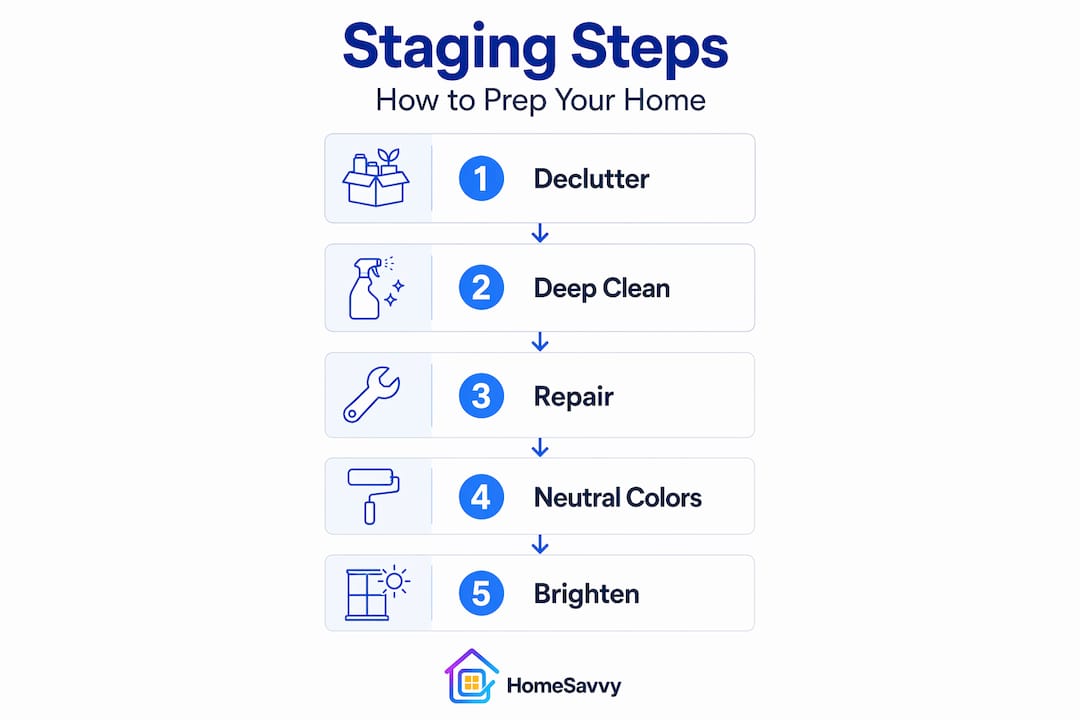
Before you move a single throw pillow, you need to understand what staging actually is and what it is not. What is staging a home? It is the process of preparing and presenting your property so that it appeals to the broadest possible pool of buyers. It is not decorating for your own taste. It is not a full renovation. It is strategic presentation designed to help buyers see themselves living there.
A lot of Colorado sellers confuse staging with tidying up. That is a costly mistake. Real staging starts well before you arrange furniture or buy accent pillows.
The three non-negotiable first steps:
- Declutter aggressively. Most sellers underestimate how much needs to go. Aim to clear 60 to 70% of personal belongings, especially inside closets and cabinets. Buyers will open storage doors, and a packed closet signals that the home lacks storage space.
- Depersonalize completely. Family photos, kids' artwork, political items, and religious decor all need to come down. You want buyers to mentally move in, not feel like they are visiting your home.
- Deep clean everything. Grout lines, baseboards, window tracks, and the inside of the oven all matter. Colorado buyers at every price point notice the details.
Once those three steps are done, turn your attention to lighting and color. Neutral wall colors like warm whites, greiges, and soft taupes photograph well and appeal to the widest range of buyers. On lighting, standardizing the color temperature of all bulbs throughout the main living areas prevents patchy, unprofessional photos and makes showings feel bright and welcoming.
Pro Tip: Replace any cool blue-toned bulbs with warm white LEDs (around 2700K to 3000K) throughout the main floor before photos are taken. It costs under $30 and makes a visible difference in every shot.
Budget matters here too. If you are planning a DIY approach, set aside $300 to $600 for supplies: fresh neutral bedding, a few plants, new bath towels, and basic decor accents. Timing also counts. Start the staging process at least two weeks before your target listing date.
Room-by-room staging execution for Colorado sellers
Not every room carries equal weight. Living rooms (91%), primary bedrooms (83%), and dining rooms (69%) are the top rooms buyers and agents say matter most. Focus your energy and budget on those spaces first.
Living room
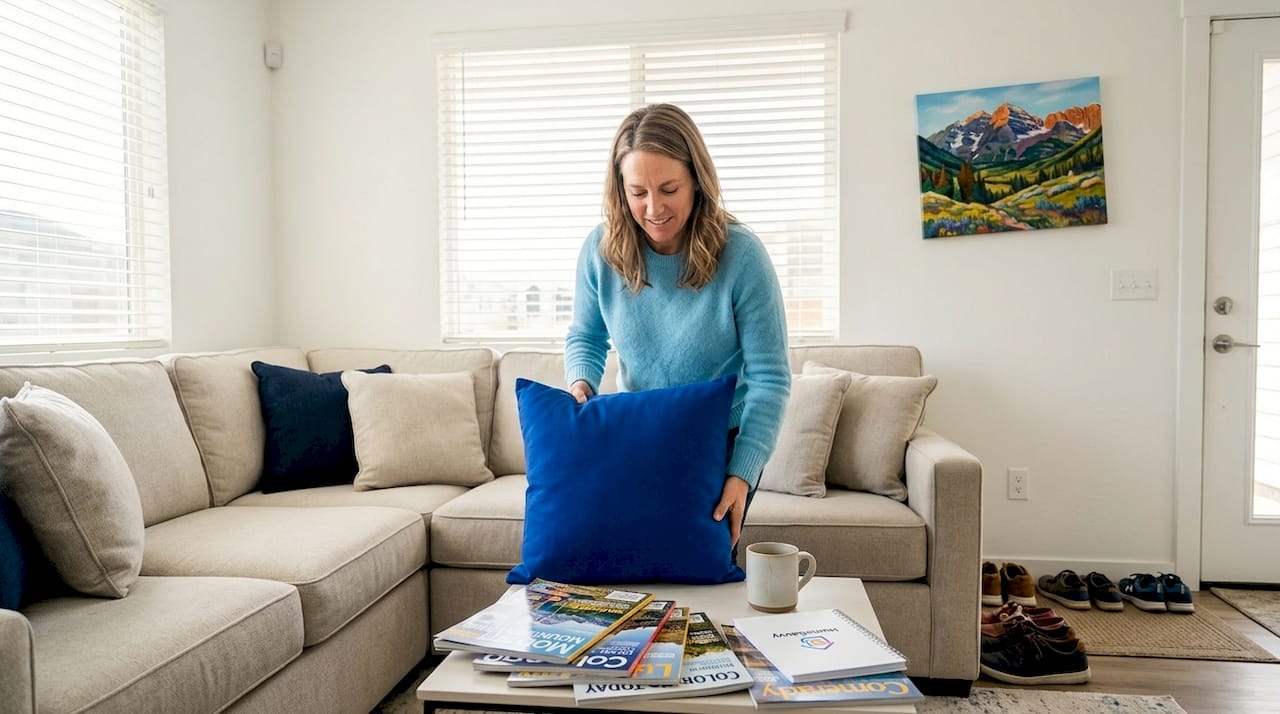
The living room is where buyers make their first emotional decision. Furniture arrangement is everything. Pull seating away from walls to create a conversational grouping. Remove any pieces that block natural pathways. Less furniture almost always makes a room feel larger.
Primary bedroom
This room needs to feel like a retreat. Use neutral bedding with clean lines and symmetrical lighting on both sides of the bed. Remove anything that does not belong: exercise equipment, work desks, excess furniture. Buyers should walk in and immediately think "calm."
Kitchen
Clear counters except for one to three intentional items, such as a bowl of fruit, a single coffee maker, or fresh herbs. Remove everything else: small appliances, mail, pet bowls, and dish racks. A clean counter makes the kitchen look twice as large.
Curb appeal and the entryway
Colorado buyers often do a drive-by before scheduling a showing. If the exterior does not impress, they may not come inside at all. Top seller improvements include fresh landscaping, repainting the front door, and removing any clutter from the porch or garage area. Inside, the entryway sets the tone. A clean rug, a simple table, and good lighting go a long way.
Here is a quick comparison to help you decide between virtual and physical staging:
| Factor | Virtual staging | Physical staging |
|---|---|---|
| Cost | Lower ($100 to $500 per room) | Higher ($1,500 average) |
| Best for | Vacant homes, fast listing timelines | Occupied or luxury homes |
| Buyer experience at showings | Can cause disappointment if rooms look empty | Matches photos; reinforces buyer confidence |
| Disclosure required | Yes | No |
| Tactile impression | None | Strong |
Virtual staging requires disclosure and works well for getting photos done quickly on a vacant property. But if buyers walk into an empty home after seeing beautiful furnished photos online, they often feel disappointed. Physical staging eliminates that gap.
Common staging mistakes to avoid in every room:
- Leaving too many personal photos on walls and shelves
- Using dark or mismatched window treatments that block light
- Staging only the rooms buyers will see first and ignoring secondary spaces
- Placing furniture against every wall instead of creating focal points
- Forgetting to remove or hide pet items before every showing
Pro Tip: Walk through your home with a camera held at chest height and photograph every room before the professional photographer arrives. You will immediately spot things to fix: cords, clutter on shelves, or a distracting wall color that you stopped noticing months ago.
DIY staging versus hiring a professional
This is where Colorado sellers get stuck. The honest answer is that it depends on your home's price point, its current condition, and how much time you have.
Professional stagers bring furniture, art, plants, and accessories. They also bring an objective eye that family members cannot provide. The average cost for professional staging runs around $1,500, though full vacant home staging can run significantly higher depending on square footage. Some listing agents cover the staging cost or offer it as part of their service package, so it is worth asking.
DIY staging costs closer to $500 and works well when you are still living in the home and already have furniture that photographs well. The limitation is objectivity. You are too close to your own space to see what buyers will see. This is where a one-time consultation with a professional stager makes sense as a middle ground. For $150 to $300, a stager will walk through your home and give you a written action list. You do the work yourself.
When professional staging makes the most financial sense:
- Your home is vacant and buyers cannot picture the space
- Your current furniture is dated, oversized, or in poor condition
- You are in a competitive price bracket where presentation drives offers
- You have already reduced your price once and need a new strategy
When DIY staging is the smarter call:
- You are already living in the home and furniture is in good shape
- Your budget is tight and you need to keep costs controlled
- You are listing in a fast market where homes move regardless
- You have already done a professional consultation and have a clear plan
One underused option worth knowing: some agents who charge reduced listing fees include a staging consultation in their service. That is real money saved without sacrificing expert guidance. If you want to understand whether your staged home's value reflects improvements accurately, tools like Homesavvycolorado's AI valuation can give you a data-backed price check before you list.
Final verification before listing and showings
Staging is not a one-time event. It requires maintenance through every showing, open house, and broker preview. This is the step sellers most often drop the ball on.
Start with a photo plan. Create a photo plan before staging by identifying which angles and rooms need to be captured: wide shots of the living room, kitchen, and primary bedroom are non-negotiable. Then stage specifically for those angles.
Your pre-listing staging checklist:
- Remove all pet items, food bowls, crates, and pet odor sources
- Turn on every light in the home, including lamps and under-cabinet lighting
- Clear counters to 70 to 90% empty in kitchen and bathrooms
- Place fresh white or neutral towels in all bathrooms
- Add one or two small plant arrangements in the kitchen or dining area
- Make all beds with clean, neutral bedding and fluffed pillows
- Close toilet lids, remove personal hygiene items from counters
- Take the trash out and remove bins from view
Between showings, maintain the staging standard. That means doing a 15-minute reset before every buyer walks through: beds made, counters clear, lights on, and no dishes in the sink. It sounds like a lot, but 58% of real estate professionals note that buyers feel let down when the in-person experience does not match the listing photos. That disappointment kills offers.
Pro Tip: Keep a "showing kit" near the door: a basket where you toss last-minute clutter, a microfiber cloth for quick counter wipes, and a small room spray with a neutral scent. You can reset a room in under 10 minutes with the right tools staged and ready.
Professional listing photos are the last piece. Colorado is a visually driven market. Buyers browsing online scroll fast. Poor photos mean fewer showings, regardless of how well your home is staged. Hire a photographer who specializes in real estate and confirm they will shoot with natural and artificial light combined.
My honest take on staging in Colorado's market
I have watched sellers in Colorado leave real money on the table by treating staging as optional. And I have seen modest homes with thoughtful staging outperform renovated properties that were listed with cluttered, poorly lit photos. The pattern is consistent.
What surprises most sellers is how much the psychological side of staging matters. Staging helps buyers understand how layouts function and how furniture actually fits. Buyers are making one of the largest financial decisions of their lives, often in under 30 minutes inside your home. Staging reduces their uncertainty. A room that feels purposeful and calm signals to a buyer that the home is well cared for.
The mistake I see most often is sellers staging only the rooms they think buyers will focus on, then ignoring secondary bedrooms or a basement flex space. Buyers notice everything. An unstaged room next to a beautifully staged one creates a jarring contrast that raises questions. Stage the whole home, even at a basic level.
My favorite low-effort, high-impact trick: replace every bathroom mirror light strip with a warm-toned LED bar. It costs under $60 per bathroom and makes every bathroom photo look significantly more polished. Bathrooms sell homes more than sellers realize, and Colorado buyers at mid-range price points pay close attention to them. Understanding why some Colorado homes fail to sell often comes down to presentation decisions that staging directly addresses.
— Rishi
How Homesavvycolorado helps you sell smarter
Staging gets your home ready to impress. But pricing it right is what gets it sold. Homesavvycolorado gives Colorado sellers both sides of that equation.

With Homesavvycolorado's PropertyIQ AI valuation tool, you can see exactly what your staged home is worth in today's market before you set a list price. No guesswork, no relying solely on a single agent's opinion. Layer that with Homesavvycolorado's 1% listing agent service, and you are keeping more of what your staged home earns at closing. Sellers working with Homesavvycolorado get access to professional guidance, real-time market data, and reduced fees that make the entire process more cost-effective. If you want to list your Colorado home with confidence, start with a PropertyIQ valuation and connect with a Homesavvycolorado agent today.
FAQ
What does staging a home actually mean?
Staging a home means preparing and presenting your property to appeal to the widest range of buyers, using furniture arrangement, decor, lighting, and decluttering to help buyers picture themselves living there.
How much does home staging cost in Colorado?
Professional staging averages around $1,500, while DIY staging runs closer to $500. A one-time professional consultation, which gives you a written action plan to execute yourself, typically costs between $150 and $300.
Which rooms should I prioritize when staging my home?
Focus on the living room, primary bedroom, and kitchen first. These three spaces have the strongest influence on buyer perception and are the rooms agents and buyers consistently rank as most important.
Does staging actually help homes sell faster?
Yes. Listing agents report that staging can reduce market time significantly, with 19% saying it greatly shortens the days on market and 30% reporting a value increase of 1% to 10%.
Should I use virtual staging or physical staging?
Virtual staging works for vacant homes on tight timelines but requires disclosure and can disappoint buyers during in-person showings. Physical staging creates a consistent experience between your listing photos and the actual showing, which builds buyer confidence and drives stronger offers.